The Threat to the Pulpit
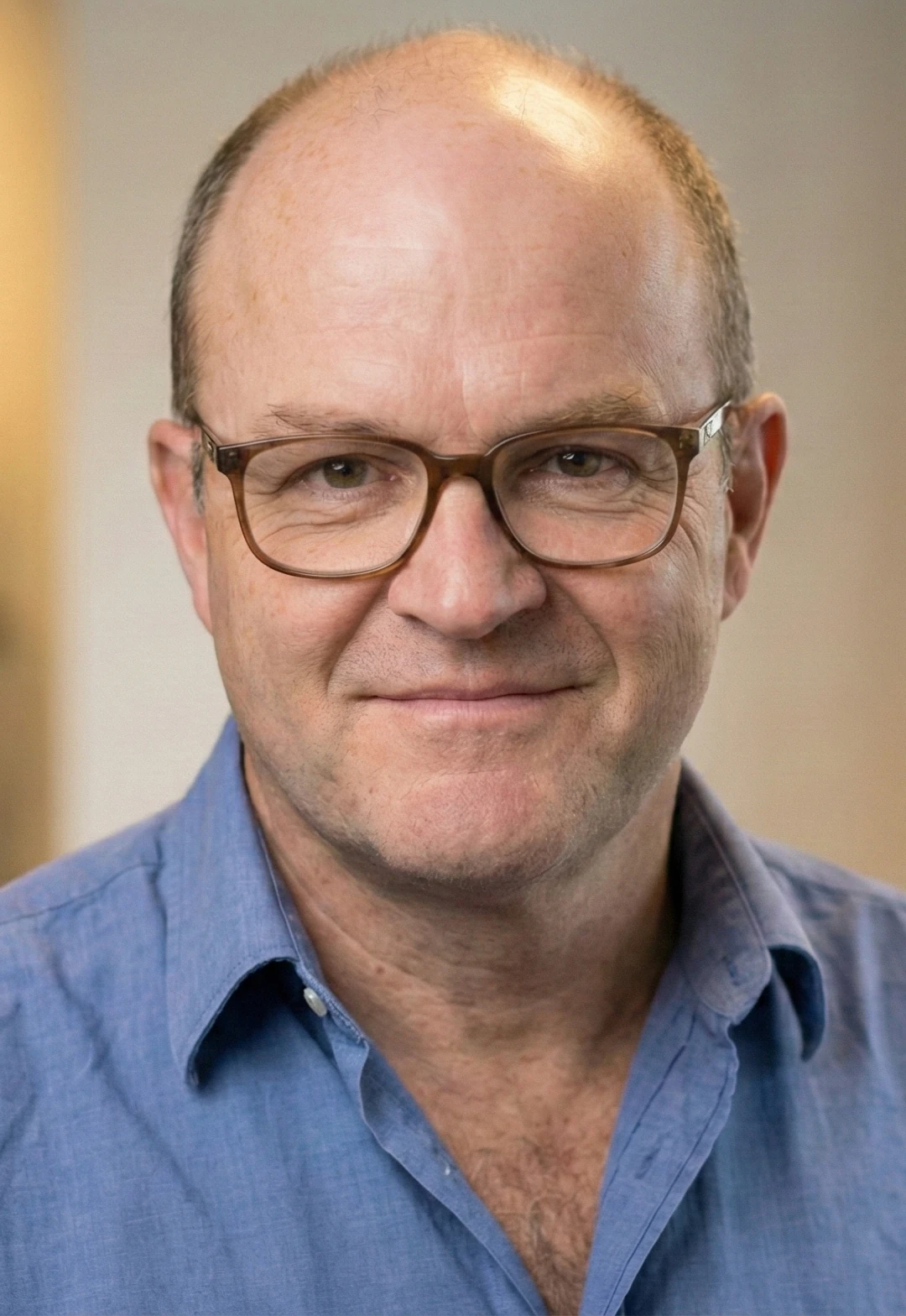
The letter arrived on Friday with the kind of quiet, institutional weight that usually makes the Prime Minister's Office reach for the shredder. Cardinal Frank Leo, the Metropolitan Archbishop of Toronto, did not send a tweet or a press release formatted for a social media soundbite. He sent a formal, three-page appeal to every member of the Senate of Canada. His message was as clear as a cathedral bell on a winter morning: Bill C-9, the Carney government’s latest combatting hate legislation, has a deliberate flaw that threatens the foundation of pluralism, and if the Red Chamber does not plug it, the state is coming for the pulpit.
This is not a theoretical warning.
It is about the specific, calculated removal of Section 319(3)(b) of the Criminal Code. For decades, that clause has served as the legal shield for every priest, pastor, imam, and rabbi in this country. It provided a good-faith defense for those expressing opinions on religious subjects or based on a belief in a religious text. On Wednesday night, in a 188-144 vote, the Liberal-Bloc coalition in the House of Commons voted to strip that shield away. They did it as part of a political trade. It was a piece of legislative horse-trading where the Bloc Québécois’ secularist zeal was bought with the currency of religious freedom.
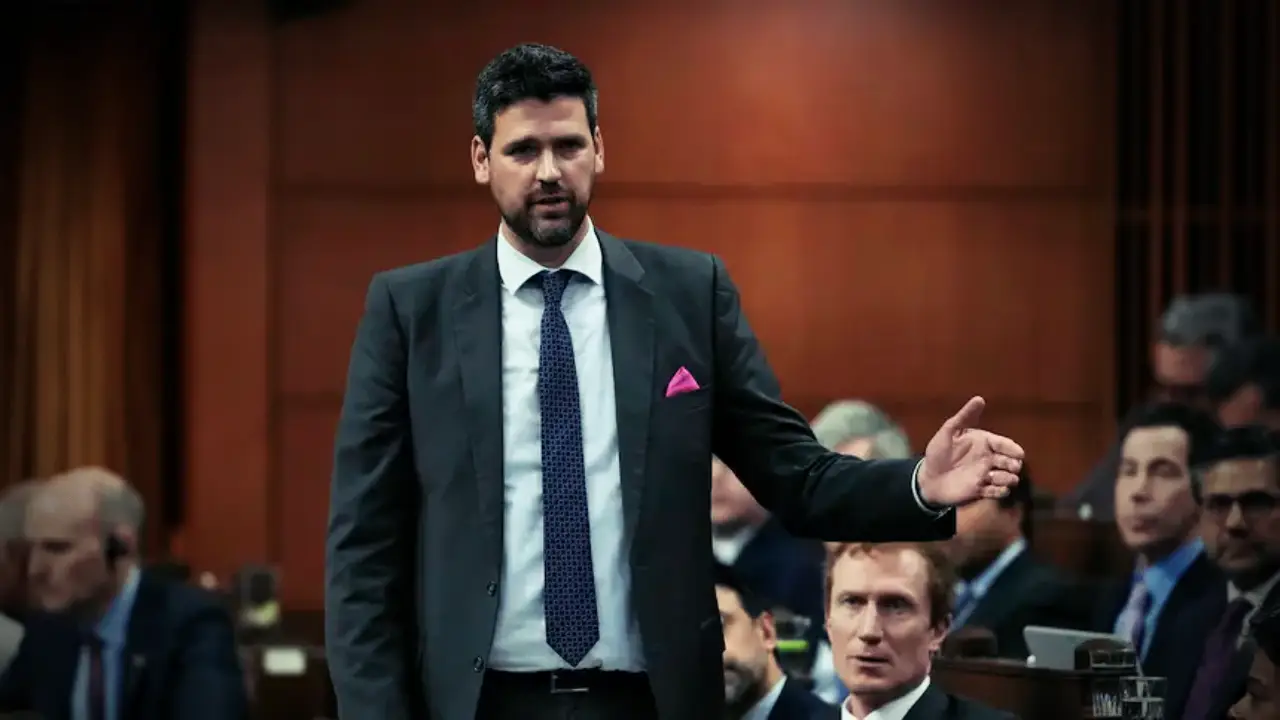
Cardinal Leo is now asking the Senate to perform the role the House neglected. He is demanding an unequivocal clarification in the text of the hate speech law to ensure that the reading of sacred texts, teaching, and preaching cannot be twisted into the intentional promotion of hatred. It is a reasonable request that has been met with a wall of technocratic indifference from Justice Minister Sean Fraser’s office. The government insists their greater certainty clause covers the risk. But as any parishioner in a working-class riding could tell you, greater certainty is usually the phrase Ottawa uses right before they take away your rights.
The Lattanzio Illusion in Bill C-9
To understand why the Cardinal is sounding the alarm, you have to look at the legislative sleight of hand performed by Liberal Member of Parliament Patricia Lattanzio during the committee stage. The government introduced an amendment to Bill C-9 that they packaged as a compromise.
This interpretive clause states that nothing in the bill should be construed as criminalizing someone for communicating a statement on a matter of public interest, including religious statements made in good faith. It sounds comforting. It reads like a protection. But here is the catch that the Liberal backbenchers will not mention to their constituents: an interpretive clause is not a statutory defense.
A statutory defense, like the outgoing Section 319(3)(b), is a hard stop in the justice system. It tells a prosecutor that if the speech in question is a sincere expression of religious belief based on a religious text, the case dies before it begins. It acts as an absolute gatekeeper. The Lattanzio clause, by contrast, is merely a suggestion to a trial judge. It fundamentally shifts the burden of proof.
This means a clergyman who reads a controversial passage from Leviticus or the Quran no longer has an automatic shield against hate propaganda charges. Instead, they must hire a defense attorney to argue in court that their preaching falls under the nebulous protection of the Charter. For a small community church, a modest mosque, or an independent synagogue, the cost of proving that right in a multi-year prosecution is catastrophic. The process becomes the punishment. When the legal bills reach six figures, the inevitable result is a silent, chilling compliance. Who benefits from this? Activist organizations seeking to silence traditional moral teachings. Who pays? The congregations who rely on those teachings. And nobody in those congregations was ever consulted.
Hate Speech Laws and the Charter Reality
Before dismissing the government's stance, we must examine their strongest argument. Justice Minister Sean Fraser has repeatedly argued that the specific Criminal Code exemption is entirely redundant because Section 2(a) of the Charter of Rights and Freedoms already guarantees freedom of conscience and religion. The official position is that removing the code exemption simply cleans up the statute books without reducing actual constitutional protections.
That is a very comforting fiction.
This is a classic Ottawa maneuver: remove the practical, accessible protection and tell the citizen they still have the theoretical right. It is like a landlord removing the locks from your front door and telling you not to worry because the concept of private property still exists in common law.
We know exactly why this is dangerous because the Supreme Court of Canada has already told us. When the high court upheld the constitutionality of Canada's hate speech laws in the landmark 1990 decision R. v. Keegstra, they did so explicitly because the legislation contained built-in safeguards. Section 319(3)(b) was one of those load-bearing walls. It ensured that the criminalization of hate did not accidentally swallow legitimate, good-faith religious discourse. Now, the Carney government is knocking down that wall and telling us the roof will hold on its own.
If Section 2(a) of the Charter is truly an impenetrable shield, then why did the Bloc Québécois demand the removal of the Criminal Code exemption as a non-negotiable condition for their support? The Bloc knows exactly what they are doing. They understand that a Charter defense requires constitutional litigation, while a Criminal Code defense prevents the charge from moving forward in the first place. They want to expose religious communities to the friction, expense, and public stigma of criminal trials.
Bill C-9 and the Trap of Section 319(2.2)
The peril facing religious expression is compounded by the new offenses quietly tucked into the legislation. Bill C-9 introduces Section 319(2.2), a sweeping new provision that criminalizes the willful promotion of hatred through the display of terrorism and hate symbols in a public place.
This sounds perfectly reasonable until you examine the mechanics.
The legislation does not define most of these hate symbols directly in the text. Instead, it ties the criminal offense to symbols associated with a listed entity under the existing terrorist regulations. That list is controlled entirely by the federal cabinet. This means the government can effectively criminalize the display of a symbol without parliamentary approval simply by updating a regulatory list behind closed doors.
When you combine the creation of Section 319(2.2) with the deletion of the religious text defense, a deeply troubling picture emerges. Imagine a scenario where a foreign political conflict involves groups that use religious iconography. If the federal cabinet adds one of those groups to the listed entity registry, displaying that religious symbol at a peaceful Canadian protest or inside a community center suddenly flirts with a criminal charge.
Without Section 319(3)(b), the religious context of that display no longer offers immediate protection.
The new hate symbols clause does include exceptions for displaying a symbol for a legitimate purpose, explicitly listing journalism, education, or art. Notice what is missing from that statutory carve-out? Religion. The government went out of its way to protect journalists and artists from being caught in the hate symbols net, but deliberately excluded faith communities. That omission is not a drafting error. It is a clear statement of political priorities.
The Liberal-Bloc Coalition’s Secular Crusade
The political optics of the 188-144 vote were a study in the new Carney era of management. The Prime Minister, ever the international technocrat, seems perfectly happy to let the Bloc Québécois indulge their secularist crusade if it means his broader legislative agenda remains on track. They outsourced the hatchet work to Bloc MPs like Rhéal Éloi Fortin, framing the erasure of religious protections as a necessary step for social cohesion.
The Conservative opposition stood firmly against the bill at third reading, recognizing the profound threat it poses to civil liberties. Member of Parliament Andrew Lawton and his colleagues spent weeks at the justice committee trying to force the government to acknowledge the legal reality of what they are doing. They understand that a law designed to combat hate can easily become a tool to silence dissent if the definitions are left to the whims of the current political climate.
Cardinal Leo’s letter highlights the broad coalition of Canadians who are watching this process with growing dread. These are not fringe voices. They are the people who run the food banks, the addiction recovery centers, and the shelters that the Carney government depends on to pick up the slack of a failing social safety net. To tell these communities that their sacred texts are now a potential criminal liability is an insult to the pluralism that this country claims to cherish. It is an attempt to house-break faith and make it subservient to the state's ever-shifting definitions of acceptable speech.
The Senate as the Last Line of Defense
As Bill C-9 enters the Senate, the members of the Upper House face a defining choice. They can rubber-stamp the Liberal-Bloc pact, acting as a mere extension of the Prime Minister's Office, or they can exercise the sober second thought that justifies their existence.
The Senate was designed precisely for this moment: to protect the rights of minorities—including religious minorities—from the raw political bargaining of the House of Commons. If they allow the repeal of Section 319(3)(b) to stand without a concrete, statutory replacement, they are effectively declaring that religious expression is now a conditional privilege, not a fundamental right.
Minister Fraser has spent the last month insisting that the bill will not criminalize faith. But if that were true, the government would have no objection to the Cardinal's requested amendment. If you do not intend to prosecute people for reading the Bible or the Quran, why are you so desperate to remove the laws that say you cannot?
The refusal to enshrine these protections in the text of the bill reveals the truth. The government wants the flexibility to let activist prosecutors test the boundaries of what constitutes hatred in a 2026 context. They want the power to decide which beliefs are acceptable and which ones require a court date. Cardinal Leo is not asking for a license to hate; he is asking for the right to believe without a lawyer standing next to him in the pulpit. The Senate must decide if they are the guardians of Canadian liberty or just the final signatories on its foreclosure.
The Hammer will be watching.